

THE LOGISTICS PIPELINE BEHIND STATE-ALIGNED SINGERS — AND WHY DIASPORA BUSINESSES MUST BE BOYCOTTED
Introduction
Across Vietnamese diaspora communities — especially in Little Saigon, San Jose, Houston, and Dallas — a steady flow of singers from Vietnam travels back and forth to perform. Many present themselves as harmless entertainers singing “meaningless pop music.” But behind the surface is a logistical pipeline that quietly connects state-aligned cultural networks inside Vietnam to local businesses in the diaspora.
At the same time, there is a contrasting phenomenon: artists from outside Vietnam can enter the country to perform, but only if their music is stripped of political meaning. Foreign and diaspora musicians are allowed to appear on Vietnamese stages only when their content is apolitical, culturally neutral, and fully compliant with state censorship rules. This results in performances dominated by generic pop, EDM, love songs, and other “safe” themes that avoid history, identity, or any message that could challenge the regime.
This model of imported entertainment — carefully filtered, politically sanitized, and emptied of deeper meaning — stands in stark contrast to the independent cultural production found in diaspora communities, where artists can freely express identity, memory, and historical truth without fear of punishment.
Understanding this contrast is essential for protecting cultural integrity, historical truth, and the dignity of those who cannot speak freely inside Vietnam.
It also clarifies why diaspora communities must boycott businesses that host performers aligned with the current regime.
I. The Three-Tier Pipeline Bringing State-Aligned Performers Into the Diaspora
The movement of singers from Vietnam into diaspora communities follows a predictable structure with three interconnected layers.
1. FRONT LAYER — Local Businesses in the Diaspora
This is the layer the community sees: restaurants, lounges, ballrooms, “new entertainment groups,” and small promoters.
These businesses:
- rent venues
- book singers
- sell tables and VIP seats
- advertise through Facebook, TikTok, and Zalo
They appear to be the organizers, but they are only the final distribution nodes.
Most of them:
- have no cultural mission
- do not understand diaspora trauma
- do not care about political symbolism
- treat singers as interchangeable products
Their priority is profit, not community protection.
This is why the shows feel shallow, repetitive, and disconnected from diaspora identity.
2. MIDDLE LAYER — Vietnam-Based Talent Agencies
This is where the pipeline truly begins.
These agencies:
- manage the artist’s brand
- coordinate visas and travel
- negotiate overseas fees
- package singers for diaspora markets
- ensure artists remain “politically safe” for the regime
Every performer who travels abroad must pass through Vietnam’s cultural control system. This means:
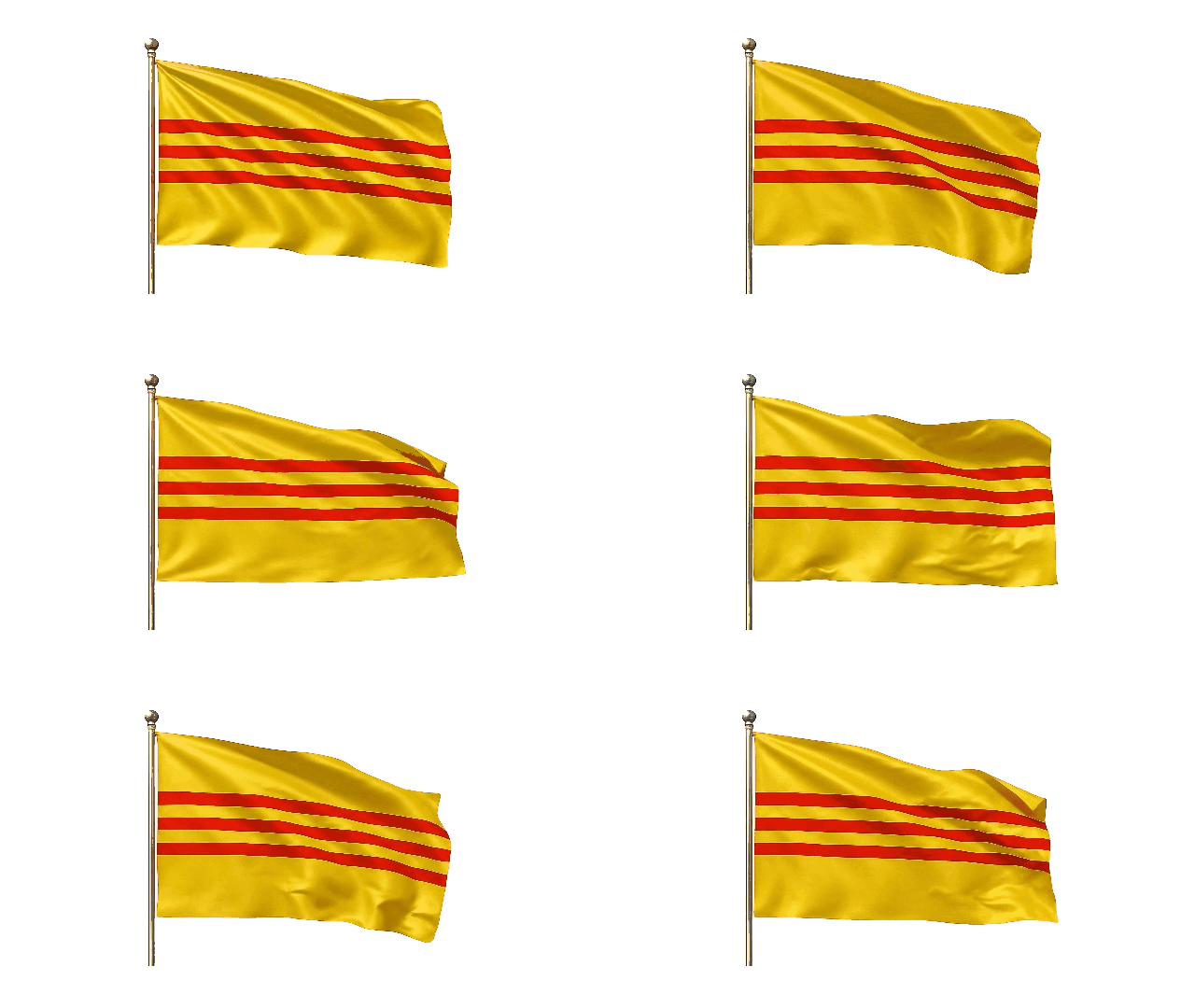
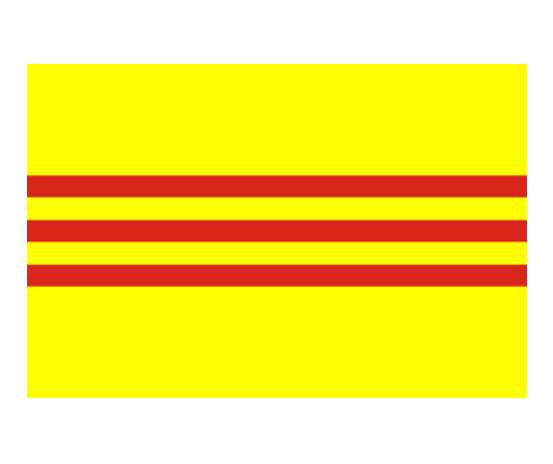
- they cannot sing yellow flag songs
- they cannot mention political prisoners
- they cannot criticize the regime
- they cannot acknowledge diaspora history
Their silence is not personal — it is structural censorship.
Even “neutral” singers are still part of a system that restricts speech and punishes dissent.
3. BACK LAYER — State-Aligned Cultural Gatekeepers
This layer is almost invisible.
These individuals or networks:
- maintain ties with cultural departments
- facilitate “approved” artists traveling abroad
- monitor messaging
- ensure no political contamination
- use diaspora shows to normalize state-aligned performers
They rarely appear publicly. They operate through intermediaries — the small promoters and businesses you see.
This is why many organizers look:
- newly formed
- unprofessional
- random
- opaque
Because they are fronts, not origins.
II. Why Musicians From Outside Can Enter Vietnam — But Only With “Meaningless Music”
Foreign or diaspora musicians can enter Vietnam only if their music is stripped of meaning.
Vietnam only allows:
- apolitical content
- non-critical lyrics
- culturally neutral themes
- club tracks, EDM, love songs
This is because:
- political expression is censored
- diaspora history is forbidden
- yellow flag symbolism is banned
- human rights themes are prohibited
So diaspora artists must self-neutralize to perform in Vietnam.
Meanwhile, state-aligned artists can perform freely in the diaspora — often with political symbolism intact.
This creates a one-directional cultural imbalance:
Vietnam → diaspora: allowed, unrestricted, state-aligned
Diaspora → Vietnam: allowed only if meaningless
This asymmetry is one of the strongest justifications for your boycott stance.
III. Why This Pipeline Is Dangerous for the Diaspora
The pipeline is not just about music. It is about cultural influence, political normalization, and erasing historical memory.
1. It imports state-controlled culture into refugee communities.
Diaspora communities exist because millions fled censorship, surveillance, and persecution.
2. It creates an illusion of “harmless entertainment.”
Meaningless music becomes a tool for soft influence.
3. It erodes diaspora cultural boundaries.
If regime-aligned performers can appear freely in the diaspora, but diaspora artists cannot appear freely in Vietnam, the cultural exchange becomes unfair and one-directional.
4. It ignores the suffering of those inside Vietnam.
Millions still live under:
- restricted speech
- criminalized expression
- monitored artists
- silenced independent voices
- imprisonment for speaking truth
Diaspora businesses that host state-aligned singers profit from a system that punishes the very freedoms the diaspora cherishes.
IV. Why Boycotting Businesses Is Necessary
Boycotting is not about punishing Vietnamese culture. It is about protecting cultural freedom and defending historical truth.
Businesses that host state-aligned performers:
- legitimize censorship
- normalize regime-approved artists
- erase refugee trauma
- profit from political silence
- undermine diaspora identity
When these businesses choose profit over community dignity, the community must respond.
Boycotting sends a clear message:
If you host performers who benefit from or represent the regime,
you will not receive diaspora support.
This is not aggression. It is self-defense.
Conclusion
The pipeline that brings state-aligned performers into diaspora communities is not accidental. It is a structured system that begins inside Vietnam, passes through talent agencies, and ends in local businesses that prioritize profit over cultural responsibility.
Diaspora communities have the right — and the responsibility — to protect their identity, history, and freedom.
Boycotting businesses that host state-aligned singers is not division.
It is preservation.
It is fairness.
It is dignity.
Until artists in Vietnam can sing without fear, until the yellow flag can fly freely, until the people of Vietnam can speak without being punished —
diaspora communities must refuse to support performers who represent or benefit from the regime.
This is the stance of a diaspora born from exile, resilience, and truth.