


Nguyễn Chí Thiện — A Courageous Poet Who Defied the Communist Regime in Vietnam
Early Life
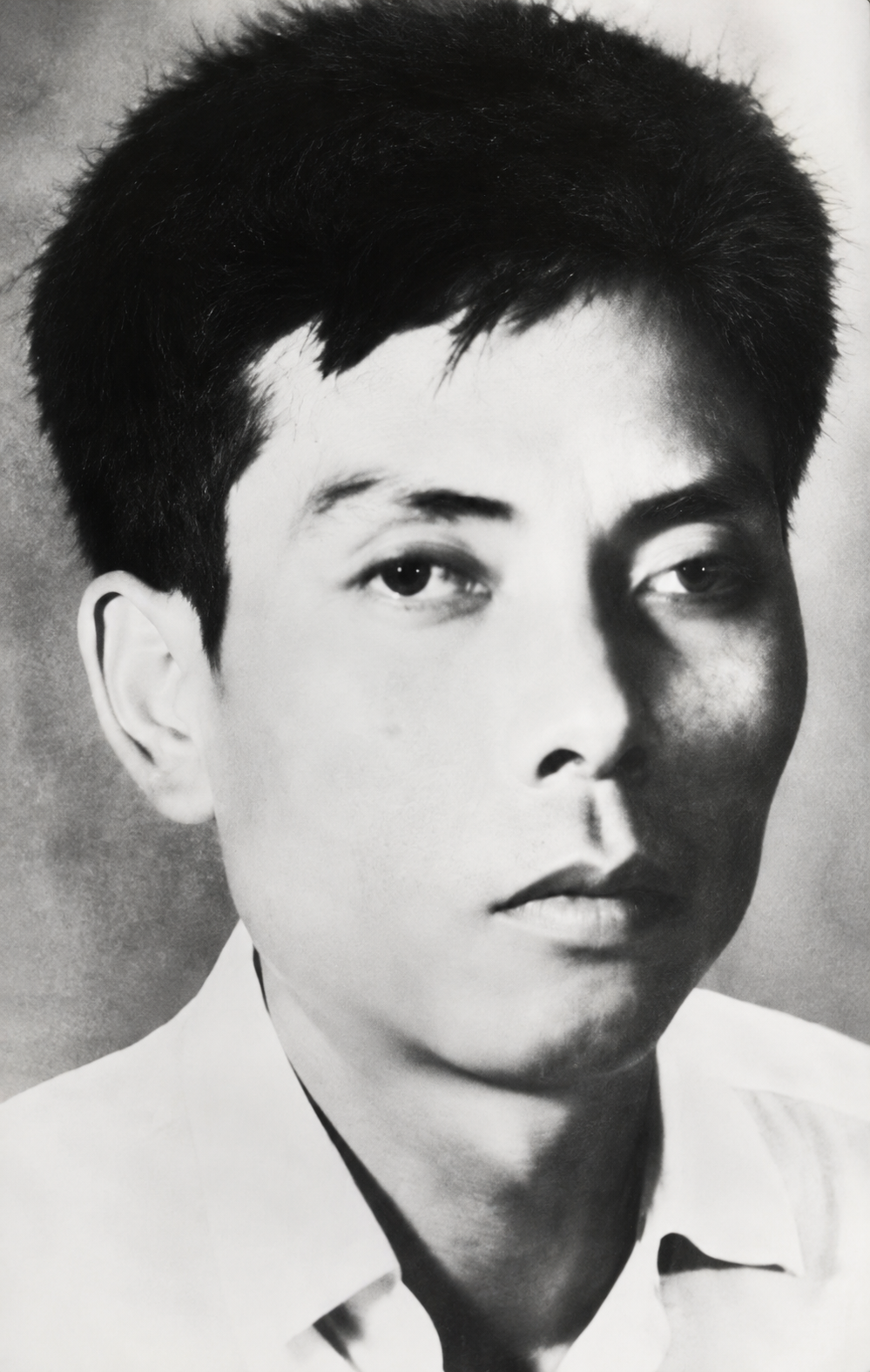
Nguyễn Chí Thiện was born on February 27, 1939, in Hà Nội, Vietnam. He grew up during a turbulent era marked by colonial rule, war, and political upheaval. His education was repeatedly disrupted by the shifting political landscape in North Vietnam after 1954. Even as a young man, he showed a deep fascination with literature, history, and poetry — interests that would later become both his refuge and his weapon.
Imprisonment in North Vietnam
Thiện’s life became defined by his repeated imprisonments under the communist regime. None of his sentences were for violent acts. Instead, he was punished for:
- expressing dissenting political views;
- writing poems critical of the regime;
- refusing to conform to ideological demands.
Across multiple arrests and sentences, he spent an estimated 27 years in prison — a lifetime carved into fragments of forced labor, starvation, solitary confinement, untreated illness, and the constant presence of death. His descriptions of prison life, echoed by other political prisoners of the era, form one of the most unfiltered testimonies of repression in post-1954 North Vietnam.
His poems and later interviews describe:
- forced labor;
- starvation;
- solitary confinement;
- lack of medical care;
- witnessing deaths of fellow prisoners.
These accounts align with testimonies from other political prisoners of the same era.
The Daring Embassy Incident (1979)
One of the most extraordinary moments in Thiện’s life occurred in 1979 — an act of literary defiance that would change his fate forever.
During his years in prison, Thiện secretly composed hundreds of poems. He knew that keeping them hidden meant they might die with him. Smuggling them out of Vietnam was the only way to preserve the truth he had witnessed.
So he made a decision that bordered on the impossible.
He walked to the British Embassy in Hà Nội with his manuscript — later known as Hoa Địa Ngục (“Flowers of Hell”) — concealed under his shirt. Approaching the embassy gate, he waited for a moment when guards were distracted. Then, in one swift, decisive act, he threw the entire manuscript over the gate into the embassy courtyard.
It was an act of pure risk. Contact with foreign embassies was considered hostile activity; delivering anti-state writings was tantamount to espionage. Thiện knew he would be arrested. He did it anyway.
British staff retrieved the manuscript and quietly sent it to London. Within months, Hoa Địa Ngục was published abroad, revealing to the world the brutality of North Vietnamese prisons.
Within days, Thiện was arrested again — this time for the very act that ensured his poems would survive.
Literary Work
Thiện is best known for his poetry collections, especially:
Hoa Địa Ngục (Flowers of Hell)
Thiện’s poetry is direct, unadorned, and emotionally raw — shaped by lived experience rather than formal literary schooling. His most famous work, Hoa Địa Ngục, became a landmark of political literature.
Themes in his poetry:
- human suffering;
- moral courage;
- political oppression;
- spiritual endurance;
- the dignity of the individual.
His poems are not theoretical critiques; they are survival testimonies.
Arrival in the United States
In 1995, Nguyễn Chí Thiện was granted political asylum in the U.S. He settled in Southern California, where he lived modestly and continued writing.
He became a symbolic figure among many Vietnamese refugees, though he also faced controversy and political infighting — common in diaspora communities with unresolved historical trauma.
Despite this, he remained largely quiet, gentle, and private.
Public Recognition
Thiện received several international acknowledgments:
- International Poetry Award (1980);
- Human Rights Watch recognition;
- Invitations to speak at universities, cultural centers, and human-rights forums.
His work was translated into English, French, and other languages.
Later Years
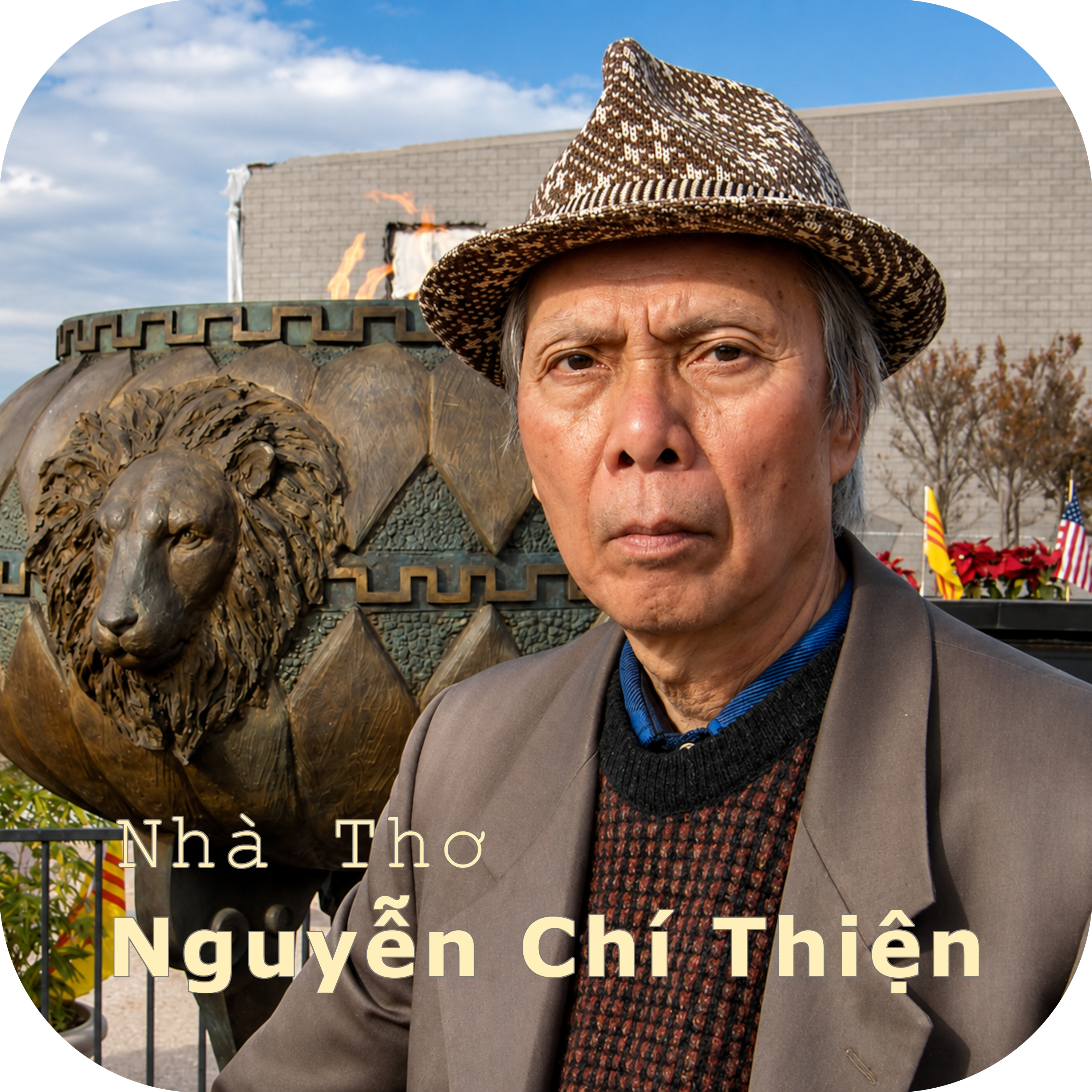
He lived alone in a senior apartment in Orange County, California. He continued writing memoirs and poetry, though his health declined.
He passed away on October 2, 2012, at the age of 73.
Legacy
Nguyễn Chí Thiện is remembered as:
- a political prisoner who endured decades of hardship;
- a poet of conscience;
- a witness to the brutality of ideological extremism;
- a voice for those who could not speak.
His poetry remains one of the most personal and unfiltered testimonies of life inside North Vietnamese prisons.
Why His Voice Resonates
Thiện’s voice carries quiet strength, lived suffering, authenticity, moral clarity, and a gentle sadness. He spoke not as a politician, but as a human being who survived something immense — and chose to turn that suffering into truth rather than silence.
He spoke as a human being who survived something immense. People feel that.